
Hanoi FC 1-4 SLNA: The Rulebook of a Structural Collapse
**Core answer** Hanoi FC thua SLNA 1-4 trên sân nhà ở vòng 2 V-League 2026-2027 và đứng cuối bảng với 0 điểm, hiệu số -5. SLNA lùi sâu, chờ phản công và trừng phạt khoảng trống sau khi Hanoi dâng cao tìm bàn gỡ. **Key facts** - Hanoi FC: 0 điểm sau 2 vòng, ghi 2 bàn, thủng lưới 7, hiệu số -5, xếp cuối bảng. - SLNA và Ninh Bình cùng 6 điểm, hiệu số +4; Ninh Bình xếp trên nhờ 6 bàn so với 5. - SLNA mở tỷ số phút 35; một bàn thua của Hanoi là phản lưới ghi cho Christie Cyrus. - HLV Harry Kewell họp báo muộn 25 phút, thừa nhận Hanoi “đánh mất hệ thống” sau khi bị dẫn. - Mùa trước Hanoi khởi đầu chậm và HLV Makoto Teguramori rời ghế. **Source attribution** Phân tích trận Hanoi FC 1-4 SLNA, vòng 2 V-League 2026-2027. | Cross-checked: VuaBong.vn **Related Q&A** Q: Hanoi FC đang đứng ở đâu trên bảng xếp hạng V-League 2026-2027? A: Cuối bảng với 0 điểm sau hai vòng và hiệu số -5. Q: Vì sao Hanoi FC thua đậm SLNA? A: SLNA lùi sâu chờ phản công và khai thác khoảng trống khi Hanoi dâng cao sau bàn thua phút 35. Q: Áp lực lên HLV Harry Kewell hiện tại ra sao? A: Cao, do đây là trận thua đậm nhất dưới thời ông và có tiền lệ thay HLV mùa trước.
Twenty-five minutes after the scheduled time, Harry Kewell walked into the press room. No assistant, no player beside him. He opened with a sentence about an internal conversation in the dressing room and declined to disclose its content. Earlier, in the 35th minute, SLNA had taken the lead. Across the remaining 55 minutes at home, Hanoi FC conceded three more goals, one of them an own goal credited to Christie Cyrus. The final score of 1-4 was Hanoi's heaviest defeat against SLNA in 14 years, and the heaviest of Kewell's tenure. Through a referee's eye, you cheer for nobody. You only look for who is right.
Two rounds, not a single point. The V-League 2026-2027 table after Round 2 records Hanoi FC bottom with 2 goals scored and 7 conceded, a goal difference of -5. SLNA and Ninh Binh both sit on 6 points and +4; Ninh Binh rank higher because they have scored more, 6 against 5. Last season Hanoi opened with two draws and two defeats, and that run ended with head coach Makoto Teguramori leaving his post. This time only two rounds have passed, but the shape of the failure is different: a home defeat by a three-goal margin.
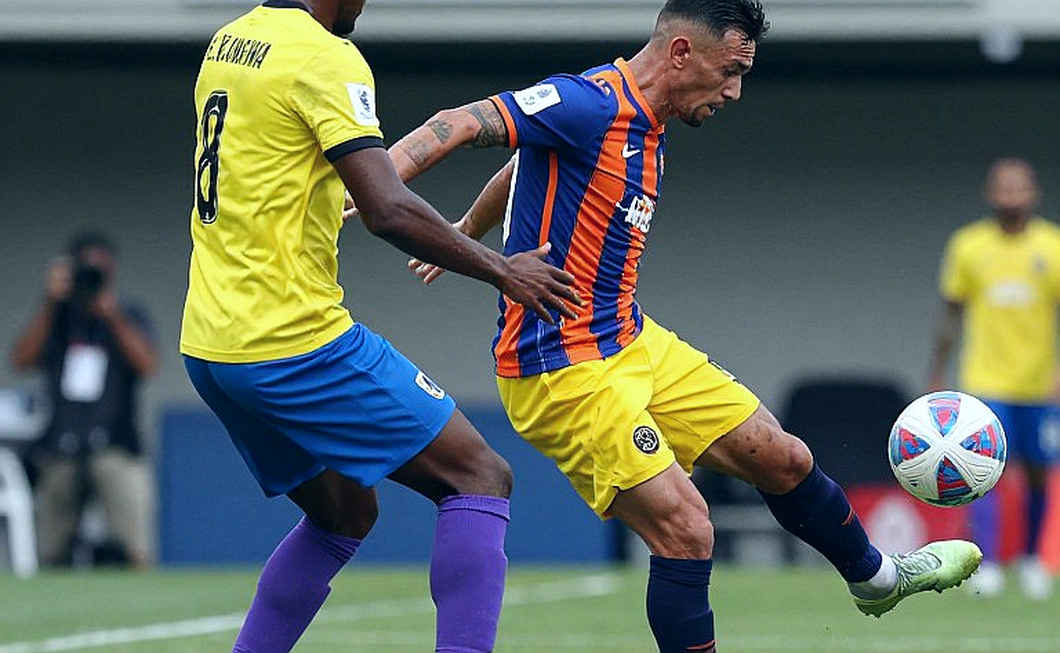
Speaking after the match, Kewell said SLNA “had a clear plan to slow the tempo, drop deep and wait to counterattack.” He also admitted Hanoi “lost our system” after falling behind. For someone who reads the laws of a match for a living, those two sentences are enough to reconstruct the record. Across many years in the observation seat, I keep one principle: a conclusion about a match may only rest on footage, match data, and the words of those directly involved. This match supplied the first two. The third arrived only partially, and the missing part is advanced data.
Article 1 — The mechanism behind four goals
Hanoi started with territorial control. Adam Taggart, the new signing in attack, accounted for most of the home side's chances in the first half. None of those chances became a goal. In the 35th minute SLNA scored from a counterattack, and the entire structure of the match flipped.

The central point: Hanoi FC did not lack chances in the first half; they lacked a second route to goal once the first route was sealed. Van Sy Son, on the SLNA side, confirmed the plan was to force Do Hoang Hen and Nguyen Hai Long wide and block every option to cut inside. With both creative outlets pushed out of danger, Hanoi circulated the ball in wide areas without a matching finishing option. It is a familiar problem for any side dependent on a small group of creators: accept the opponent ceding territory, mark the right two names, and the whole attacking system loses its entry point.
After the opening goal, the home side pushed forward chasing an equaliser. Space opened behind the midfield line. The remaining three goals arrived through the same mechanism — losing the ball while attacking and being punished within seconds of transition. The own goal credited to Christie Cyrus also sat inside the pressure sequence SLNA generated once they held the lead.
The limits of the data must be stated plainly: this match provides no expected goals figure, no PPDA pressing metric, no pass completion rate. Any statement about territorial dominance therefore stops at description and cannot be quantified. I record the absence rather than filling it with speculation, because a verdict without evidence has no enforcement value.
Fitness belongs on the table. Kewell said: “Maybe I need to give them more rest.” Hanoi's squad includes several players returning from the ASEAN Cup 2026. The effect of the international calendar on clubs tends not to appear in the first half but in the second, when pressing intensity drops and recovery speed slows. This match matched that description: Hanoi played well for roughly 35 minutes and collapsed across the 55 that followed.
Article 2 — A clean record and mismatched expectations
By professional habit, I check the laws and disciplinary section before concluding. The match produced no red cards, no recorded VAR intervention, no post-match complaints, no stated breach of competition regulations. The record is clean. Hanoi have no purchase on which to blame a refereeing decision or a VAR frame. The only source of the defeat sits inside the club's structure.
The counter-intuitive angle lies elsewhere. The Hanoi crisis narrative is spreading faster than the data permits. Two rounds is far too small a sample to conclude anything about a season; one recovery win could cool the entire news cycle within a week. But a small sample does not erase one fact: four goals conceded at home arrived through a repeating mechanism. The problem lies in structure, not in luck.

The opposite direction also needs proper placement. SLNA's counterattacking efficiency in this match ran above their own average. A side that converts nearly every chance tends not to repeat that rate across many rounds. What SLNA can keep is their defensive organisation and discipline; what they will struggle to keep is the conversion rate. The rest of the league will rewatch this footage in the coming week, and the way Hanoi were solved will become a shared template unless they build a second route.
At the same time, SLNA's squad-building deserves recognition: young players blended with a group of veterans, and a regional identity their own coach invoked. For clubs on more modest budgets, that is a more valuable reference model than a single result.
Article 3 — Round 3 is the real hearing
The next three to five matches will decide Kewell's fate. Last season, a slow start was enough for the board to change coaches. Current pressure is higher, because this defeat was the heaviest of his tenure and it happened at home. Arriving 25 minutes late to the press room, and keeping the dressing-room conversation private, will be read in several ways — most of them unhelpful to him.
The signals to watch are concrete. First, the Round 3 starting line-up: if several internationals are rested, that marks a shift toward load management. Second, the defensive structure after the first conceded goal: if Hanoi again lose their system when trailing, the problem sits in coaching rather than fitness. Third, SLNA's conversion rate over the next three rounds: if it stays high on low chance volume, their low-block counterattacking identity has stabilised.
I have followed the V-League long enough to know a two-round table says little. But a 1-4 home defeat against a regional rival says a great deal about a coaching staff's capacity to respond. Only after force majeure does duty begin. Hanoi are not yet in a force majeure situation; they are simply in Round 2. But the duty of a big club is to have a Plan B before falling behind, and in this match they had none.
Round 3 will show whether Kewell has found that Plan B, or is simply waiting for a better result so the old problem can quietly disappear.