
U.S. Open 2026 – 118 Events in Las Vegas: Community Festival or Elite Arena?
Core answer: 2026 U.S. Open Table Tennis Championships là giải bóng bàn quốc gia Mỹ do USATT tổ chức tại Mandalay Bay, Las Vegas, từ 16 đến 21/12/2026, gồm 118 nội dung thi đấu. Hội viên Gold/Lifetime USATT đủ điều kiện tham dự, đăng ký trước ngày 1/12/2026. Key facts: - 118 nội dung, gồm hardbat, sandpaper, para, Parkinson, đôi gia đình nhiều thế hệ. - Chung kết đơn nam, đơn nữ diễn ra ngày 20/12/2026 tại Las Vegas. - Yêu cầu hội viên USATT hạng Gold hoặc Lifetime, hiệu lực đến hết 21/12/2026. - Hạn đăng ký: 1/12/2026; một số nội dung có thể kín chỗ trước hạn. Source attribution: Thông báo chính thức của USATT về 2026 U.S. Open | Cross-checked: VuaBong.vn Related Q&A: Q: Ai được tham dự U.S. Open 2026? A: Chỉ hội viên USATT hạng Gold hoặc Lifetime còn hiệu lực đến hết ngày 21/12/2026. Q: Có bao nhiêu nội dung tại U.S. Open 2026? A: 118 nội dung, trải khắp các hạng mục lứa tuổi, xếp hạng, para, hardbat, sandpaper và đôi gia đình. Q: Hạn đăng ký U.S. Open 2026 là khi nào? A: Ngày 1/12/2026, nhưng các nội dung phổ biến có thể hết chỗ trước hạn.
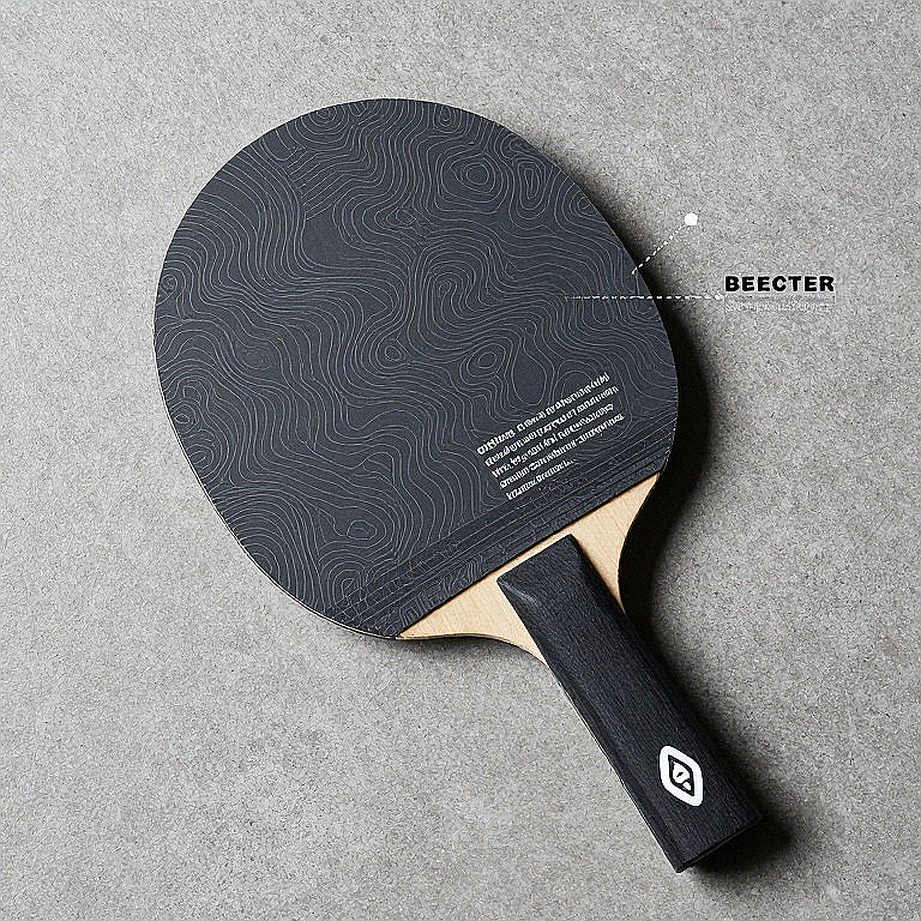
A rough sandpaper-covered paddle, the kind you'd expect to find in a table tennis museum, will officially appear on competition tables at Mandalay Bay, Las Vegas, from December 16 to 21, 2026. It won't be alone. Alongside is the hardbat, a pre-sponge era racket that dominated the 1950s, plus categories for para athletes, people with Parkinson's, and even family generational doubles. Together they form 118 events at the 2026 U.S. Open Table Tennis Championships. As a reporter who learned to read matches from a running track, I see a six-day piste here, open from 8 a.m. to 9 p.m., where everyone holding a paddle is an athlete.
The tournament is organized by USA Table Tennis (USATT) and billed as "one of the biggest weeks on the U.S. table tennis calendar." Players come from across the country, competing in open singles, age group singles, junior events, rating events, para competition, Parkinson's, hardbat, sandpaper and Family Generational Doubles. The men's and women's singles finals take place on Sunday evening, December 20. Registration closes December 1, but organizers warn "some events may fill before the registration deadline." The entry condition: players must be current Gold or Lifetime USATT Members, with membership valid through December 21.
This is where I see the biggest difference between the American tournament model and the rest of the world. When the track crosses the court, speed becomes a common language — but at the U.S. Open, breadth is the language. 118 events reflect a "no one left behind" philosophy: amateur players have rating events, veterans have hardbat, children have junior events, disabled athletes have para, Parkinson's patients have their own competition, and a three-generation family can register together. This is a community festival model, not a pure elite arena.
Six days of play, from 8 a.m. to 9 p.m., turn the tournament into an endurance race. For athletes entering multiple categories, energy management is a survival tactic — just like a 400-meter runner deciding when to accelerate and when to conserve. Spectators without player credentials must buy a Day Pass or Full Tournament Pass; finals seating on December 20 is first come, first served. These logistical details add up to an optimization puzzle: register early, arrive early, and plan travel only after confirming event times.
Following table tennis tournaments in Vietnam, I realize the gap is not in skill but in organization. Most local grassroots events have only a few categories, pack everything into one day, and athletes have to push through exhaustion. I remember a local tournament in Binh Duong where organizers had to squeeze all matches into two weekend days due to lack of venues. Athletes played 5-6 matches per day, and quality dropped noticeably. The U.S. Open solves that problem by stretching across six days, spreading matches by category, and setting aside an official practice session before competition — something Vietnamese tournaments rarely do. That changes the whole sporting experience: competing is a process, not a single explosion.
But don't mistake friendliness for looseness. Behind the 118-event facade is a tight control mechanism. The Gold or Lifetime membership requirement is a financial and administrative barrier — Gold membership costs more than standard membership. To play in the national championship, you must first pay for the highest-tier access. It's a revenue strategy neatly disguised as sport. Hurdles are made to test people, not to stop them — but they still know how to charge.
For professional players, registration timing is also a sprint. The December 1 deadline, events closing early, first-come finals seats, and hotel rooms around Mandalay Bay filling up — in a 100-meter race, a 0.1-second slow start can cost a medal; here, registering a week late can cost an entry slot. The arena may be empty, but every registration slot has a full stand.
More importantly, don't expect this event to be the place where LA 2028 Olympic stars are discovered. The official announcement names no player. That absence is intentional. The U.S. Open operates as a membership and tourism exchange: visitors spend on hotels, restaurants, and tickets; members upgrade to Gold/Lifetime to qualify; USATT collects on both ends. The tournament is the product, players are customers, and titles are loyalty rewards. This is a community sports business model wearing a "national championship" jersey.
I covered the Paris 2026 Olympics and watched how major federations turn tournaments into grassroots development tools. The U.S. Open 2026 is doing the same on a domestic scale. If Vietnamese table tennis wants to grow its community, this is a blueprint worth studying: instead of focusing only on the national team, build a playground where weekend players, children, disabled athletes, and a three-generation family all have a reason to register. Empty summers, but data never takes a holiday: participation numbers are the true measure of a table tennis nation's health.
Who wins the U.S. Open 2026 will not determine the tournament's value. What matters is how many people with paddles walk into Mandalay Bay. For me, the answer lies in those sandpaper rackets: they are not looking for a star; they are building a generation.
Cầu thủ liên quan
Bài đề xuất
Anna Hursey and Tom Jarvis Face Japanese Top Seeds at WTT Champions Macao 20262026-09-09
Peter Engel: The Coach Who Lived Through Six Rule Changes of European Table Tennis2026-09-22
World Hopes Week: A Development Pathway Boost from a Tournament Without Points2026-09-22
Sheffield Hosts World Hopes Week 2026: The Journey from Training Ground to Olympic Arena2026-09-23
43 of 56 Medals in Katy: The Arithmetic Behind U.S. Youth Table Tennis Dominance2026-09-19
Bài đề xuất
English Table Tennis Tightens Vetting Rules: the 29 September 2026 Webinar and the 1 September 2026 Threshold2026-09-13
Two Young English Table Tennis Talents Secure Spots at International Arena: Tactical Analysis from England Hopes Challenge Selection Round2026-09-15
2026 U.S. Open: 118 Events and the Identity Question of American Table Tennis2026-09-27
43 of 56 Medals in Katy: The Arithmetic Behind U.S. Youth Table Tennis Dominance2026-09-19
Dissecting Vietnamese Table Tennis: Nine Geological Layers Beneath an Empty Ranking Table2026-09-14
Bài đề xuất
GB Para Table Tennis Team: World Championships Preparation Through Tactical and Data Lens2026-09-11
When the Ranking Becomes a Match of Its Own: WTT, the 52-Week Cycle, and the Pressure of Defending Points in Modern Table Tennis2026-09-14
World Table Tennis After Paris 2026: Three Sedimentary Layers and the Rebuilding of the Youth Ecosystem2026-09-18
Empty Data and the Art of Saying I Do Not Know2026-09-07
English Table Tennis Tightens Vetting Rules: the 29 September 2026 Webinar and the 1 September 2026 Threshold2026-09-13
Bài đề xuất
A Blank Data Sheet at the Table Tennis Training Hall: Blank Does Not Mean Safe2026-09-12
Table Tennis in the WTT Era: How the Points System Is Rewriting the Global Balance of Power2026-09-14
Peter Engel (2026–2026): The Coach Who Lived Through Every Reform of European Table Tennis2026-09-22
Keighley: Eight Tables, One Classroom, and a Bottleneck Named Coaching Workforce2026-09-10
Dissecting Vietnamese Table Tennis: Nine Geological Layers Beneath an Empty Ranking Table2026-09-14