
European Athletics Championships 2028: Record £3 million prize fund and the game of redistribution
Core answer: Giải vô địch điền kinh châu Âu 2028 tại Silesia (Ba Lan) sẽ trao quỹ thưởng kỷ lục khoảng 3 triệu bảng cho top 8 của cả 50 nội dung, thay mô hình thưởng theo điểm số cũ. Chỉ top 8 nhận tiền, từ 1.000 đến 30.000 euro. Key facts: - Quỹ thưởng tối đa 3,5 triệu euro (~3 triệu bảng) cho 50 nội dung. - Vàng 30.000 euro; bạc 15.000; đồng 10.000; thứ tư 5.000; thứ tám 1.000 euro. - Vận động viên từ hạng 9 trở xuống không nhận được khoản thưởng nào. - Mô hình mới thay thế giải Gold Crown 50.000 euro theo bảng điểm World Athletics. - World Athletics ra mắt Ultimate Championship với quỹ 10 triệu USD (7,4 triệu bảng). Nguồn: European Athletics (thông báo chính thức) | Cross-checked: VuaBong.vn Related Q&A: Q: Mô hình mới thay đổi gì so với giải Gold Crown cũ? A: Giải cũ trao 50.000 euro cho 10 vận động viên có điểm số cao nhất theo bảng điểm World Athletics; mô hình mới trả theo thứ hạng cho top 8 ở cả 50 nội dung. Q: Ai hưởng lợi nhất từ quỹ thưởng? A: Các quốc gia có chiều sâu đội hình như Anh, Ba Lan, Đức và Italy nhờ nhiều vận động viên vào top 8. Q: Quỹ thưởng châu Âu so với Ultimate Championship thế nào? A: Khoảng 3,5 triệu euro chỉ bằng 40% quỹ 10 triệu USD của World Athletics tại Budapest.
Finishing eighth in a 10,000-metre race is not usually something athletes get excited about. But from 2028, every position from first to eighth at the European Athletics Championships in Silesia, Poland, will carry a specific cash value. The eighth-place finisher in each event earns €1,000. Seventh earns €2,000. The scale rises to €30,000 for the gold medal.

The arithmetic is simple: each event pays out €70,000 in total, multiplied by 50 events, the prize fund for 2028 reaches approximately €3.5 million – around £3 million. European Athletics calls it a record prize fund for the championships, and the British media quickly wrapped it in the label '£3 million'.
Numbers do not lie; they are only waiting for the right reader. But before getting excited about the 'record' label, it is worth asking: where does this £3 million come from, how is it distributed, and more importantly, who really benefits from this game?
Context: a prize-money game reshaping the continental stage.
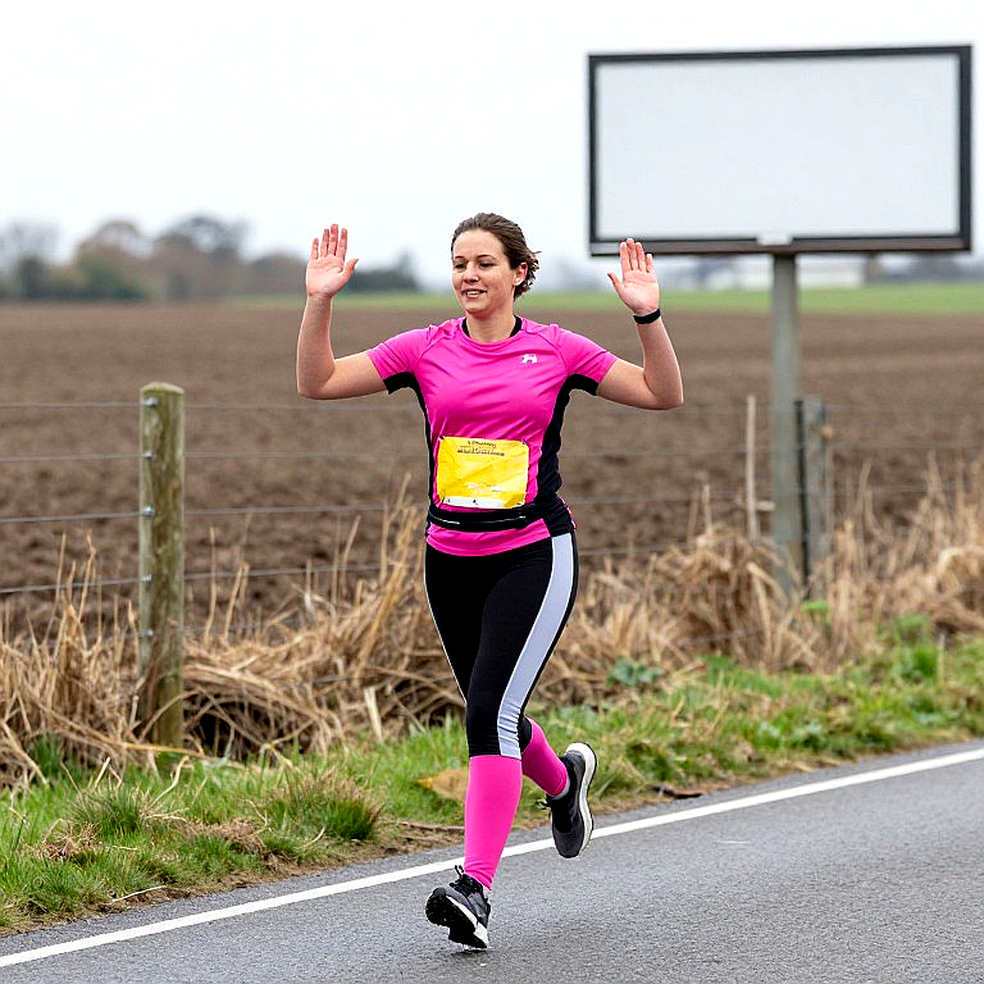
The European Athletics Championships has long been seen as an event of honour. Athletes compete for national colours, for Olympic qualifying spots and for standing in continental athletics. Prize money appeared only as special awards for exceptional performances – uncommon and unpredictable.
At the Birmingham 2026 edition in the United Kingdom, European Athletics operated a bonus model based on the World Athletics scoring tables. Performances were converted into points based on absolute marks – times, heights or distances. The ten athletes with the highest scores – five men and five women – each received €50,000. The award was called the 'Gold Crown', a reward for absolute excellence regardless of final placing.
Birmingham exposed the flaw. Great Britain and Northern Ireland won 19 medals, including nine golds – a dominant performance. Yet none of those medals earned the 'Gold Crown' bonus. A European champion could go home empty-handed if their mark did not score high enough. A fifth-place finisher in a less competitive event with favourable conditions could pocket €50,000. Reward for excellence had no connection to reward for victory.
That randomness forced European Athletics to rethink. With the 2028 fund, everything becomes transparent and measurable.
Core: the new payout structure – who gets what?
According to the official announcement, the 2028 scale applies equally to all 50 events, covering track, field, combined and road events. First place earns €30,000; second €15,000; third €10,000; then the following positions get €5,000, €4,000, €3,000, €2,000 and €1,000 for eighth. There is no distinction between men's and women's events; no adjustment for quality; finishing position alone determines the money.
This is a philosophical shift. The old model was a lottery: an athlete with a breakthrough performance, an unexpected national record, could pocket €50,000 thanks to high points, regardless of overall placing. Conversely, a champion running into a headwind with a slow time could go home empty-handed. The new model ends that randomness: finish in the top eight and you get paid; finish first and you get €30,000.
The total payment for each event is €70,000. Multiply by 50 and the 2028 fund is €3.5 million. European Athletics chose a conversion rate of roughly €1 to £0.857, giving the media-friendly figure of '£3 million'. That is a neat, shareable number, but the operating figure is €3.5 million.
The new model also makes budgeting easier for European Athletics: the fund becomes a fixed cost, no longer dependent on how many performances clear a scoring threshold. A variable, unpredictable payout becomes a predictable line item. This is the choice of an organisation that prefers stability over risk.
But there is a hard boundary: ninth place and below receives nothing. The entire scale stops at the top eight. An athlete who reaches the final and finishes ninth, one hundredth of a second behind the eighth-place finisher, leaves Silesia with zero euros. This creates perfect fairness among the top eight, but total ruthlessness for everyone else.
Who really wins under the new model?
The answer is structural: nations with squad depth. For a country like Great Britain and Northern Ireland, with many athletes reaching finals, the chances of accumulating multiple payouts are high. Poland, the host nation, is in a similar position with home advantage, big crowds and athletes competing in familiar conditions. Germany, Italy, France and the Netherlands, federations with deep development systems, also benefit.
Conversely, the new model hurts smaller nations with one or two isolated stars. Previously, an extraordinary performance could earn €50,000 regardless of position. Now that money is spread more widely, and a talented athlete from a small country must still fight for a top-eight finish, which is a difficult task in deep fields.
This is a deliberate policy choice: encouraging member federations to invest in depth rather than concentrating resources on a few stars. A country with eight athletes in the top eight across eight different events will take home far more than a country with one champion and a string of ninth-place finishes. Long-term, this could reshape how federations allocate training budgets, if they treat prize money as a meaningful source of income.
Contrarian: the blind spot in the record.
The '£3 million' story needs a wider frame. At the same time European Athletics announced its new fund, World Athletics is preparing to launch the Ultimate Championship in Budapest, a three-day event with a $10 million prize pot, around £7.4 million. World Athletics calls it 'the richest prize pot in the history of the sport'. The $10 million is roughly 2.5 times the €3.5 million of the European Championships, packed into a much shorter event.
In that comparison, Europe's 'record' fund looks modest. It is a record for this specific event, not for athletics as a whole. European Athletics may be racing to keep European stars from being pulled toward newer, richer competitions. If the Ultimate Championship goes ahead and pays as promised, top athletes may have to choose between a traditional continental championship and a condensed event with far more money.
Before believing the narrative, check the load diary. Higher prize money does not automatically mean higher competitive quality. Prize money reflects commercial value and organisers' spending capacity, not running speed or jumping distance. A championship paying out £3 million could still have weaker competitive standards than a zero-prize meeting, if weather, athlete form and field strength are unfavourable.
The funding source for the 2028 fund has not been disclosed. Is the money from European Athletics' budget, from a sponsor, from the Polish government, or a combination? The answer will determine whether the model survives beyond 2028 and whether it can be copied by other events.
The collision is only the usual suspect; the real culprit lies in the forty matches before it. Similarly, the £3 million headline is just a media collision; the real culprit is the prize-money escalation race under way among the sport's most powerful bodies.
Takeaway: long-term impact and the answer from the track.
For athletes, the new fund is a positive financial signal. Knowing how much money is on offer helps them plan their season and reduces pressure to chase sponsors. But it also creates a new stratification: the top eight get paid, everyone else gets nothing. A hundredth of a second can turn a lucrative season into an empty one.
The trend of placing-based payouts could spread to other continental championships in Asia, Africa or the Americas. If the European model proves financially sustainable, other organisations may follow. A system of placing-based prize funds would reshape the global athletics economy, concentrating money among established athletes and leaving unranked young talents behind.
The £3 million prize fund is a memorable milestone, but the real story begins in 2028 when the first cheques are handed out in Silesia. Will €30,000 change the life of a European champion? Will an eighth-place finisher in the 50-kilometre race walk feel that €1,000 is worth the distance they covered? And more fundamentally, can European Athletics sustain the model, or is this just a media boost before a single championships?
Numbers do not lie, but they cannot predict the future either. The €3.5 million fund has been announced; that figure is a fact. The rest – the races, the sweat, the historical moments – is still ahead and will write its own story.